



Why do cats purr?
Cats are one of the most popular pets in the world, and their purring is one of the things that makes them so special. If a cat has ever curled up in your lap and started purring, you know there’s nothing quite like it.
Cats purr when they are happy, content, feeling well, but also when they are sick or trying to calm themselves down.
What is purring?
Purring is a low-frequency vibration at a frequency between 20Hz and 150Hz created by a cat’s larynx and diaphragm. When a cat inhales, it produces a low-toned sound that is then amplified by the soft tissue of the nose and chest. This sound creates resonance in the cat’s throat, chest, and abdomen. Researchers have recorded two types of purring.
There is regular purring, which occurs when a cat is content, happy, or feeling well. It is a soothing sound that many cat owners find comforting. Then there is solicitation purring, which is when a cat uses purring as a way to get its owner’s attention and potentially food. Solicitation purring may also include sounds reminiscent of a baby’s cry, and it is designed to appeal to human sensitivities.
Many cat owners have observed that cat purring has a calming effect, not only on adults but also on children and babies. Some cats seem to instinctively comfort pregnant women and newborns with their purring.
Why do cats purr?
Postoji nekoliko teorija o tome zašto mačke predu:
- Cats purr to express contentment and happiness. They often start purring when you pet them, when they feel relaxed, and when they are satisfied. The reason a cat feels good when purring is because it triggers the release of endorphins in the cat’s body. Furthermore, it also causes the release of endorphins in people who are in its vicinity.
- Cats also purr when they are stressed, sick, or injured. Experts believe that purring in cats is a form of self-healing. This theory is supported by the fact that cats often purr when they are injured or sick. When they purr, they create vibrations in their bodies that can help heal bones and muscles. Scientifically, it has been proven that vibrations at frequencies between 25-50Hz assist in bone healing and regeneration, while frequencies of 100Hz can aid in tissue and muscle healing. Purring also helps reduce stress and anxiety in cats. In general, cat purring can be understood as a form of self-healing, both mentally and physically.
- Cats communicate with other cats, kittens, and humans through purring. Cats often purr when they want to get their owners to feed them or pay attention to them. Kittens are exposed to their mother’s purring from a very early age when she feeds them or tries to teach them something. Additionally, cats often purr while nursing their kittens.
Benefits of Purring for Human Health
In addition to its potential positive effects on feline health, scientists have shown that it also has multiple benefits for human health. Some of the advantages of cat purring include:
Easing Stress
Whenever you feel stressed, cuddling with a cat can help. Moreover, the vibrations from a cat’s purring not only trigger the release of endorphins in the cat but also in you. This way, cat purring acts as a mood enhancer and calms you down.
Reduced Blood Pressure
Cats’ ability to calm you down also has a positive effect on your blood pressure. Furthermore, studies have shown that the frequency of purring reduces stress levels and blood pressure in humans.
Reduced Risk of Heart Attack
Considering how cat purring helps us deal with stress and high blood pressure, it’s no wonder that experts have noted its positive impact on heart health. They have found that cuddling a purring cat can reduce the risk of a heart attack by up to 40 percent.
Reduction in Respiratory Problems
Individuals with dyspnea or breathing difficulties also report significant improvements in their condition when spending time near a purring cat. Many of them attribute positive effects to the purring. Children and people with asthma have witnessed episodes where cats try to comfort them immediately after asthma attacks.
Healing Injuries
The vibrations of a cat’s purring alleviate pain caused by injury and promote bone healing. Similarly, the beneficial effects aid muscles and tendons in regenerating and growing. It is particularly beneficial for older individuals since purring improves bone density and joint mobility. However, the healing properties of cat purring are not limited to humans. Recent studies show that cats use purring as a survival mechanism whenever they feel pain or are dealing with some health condition.
So the next time you see your cat purring, know that she is not only enjoying the moment but also helping herself stay healthy and happy. Purring is usually a sign of contentment, but it can also be a way for a cat to signal friendliness to another cat.
Frequently Asked Questions
What is the frequency of cat purring?
Cats purr at a frequency between 20Hz and 150Hz.
Why doesn’t the cat purr?
A cat may not purr if it is too sick and does not have enough energy to purr. Some cats simply do not purr as often as others, even if they are happy and content.
What does a cat heal when it purrs?
Purring helps a cat heal bones, muscles, and injured tissue. It also reduces stress and anxiety in cats. Purring serves as both physical and psychological regeneration for cats.

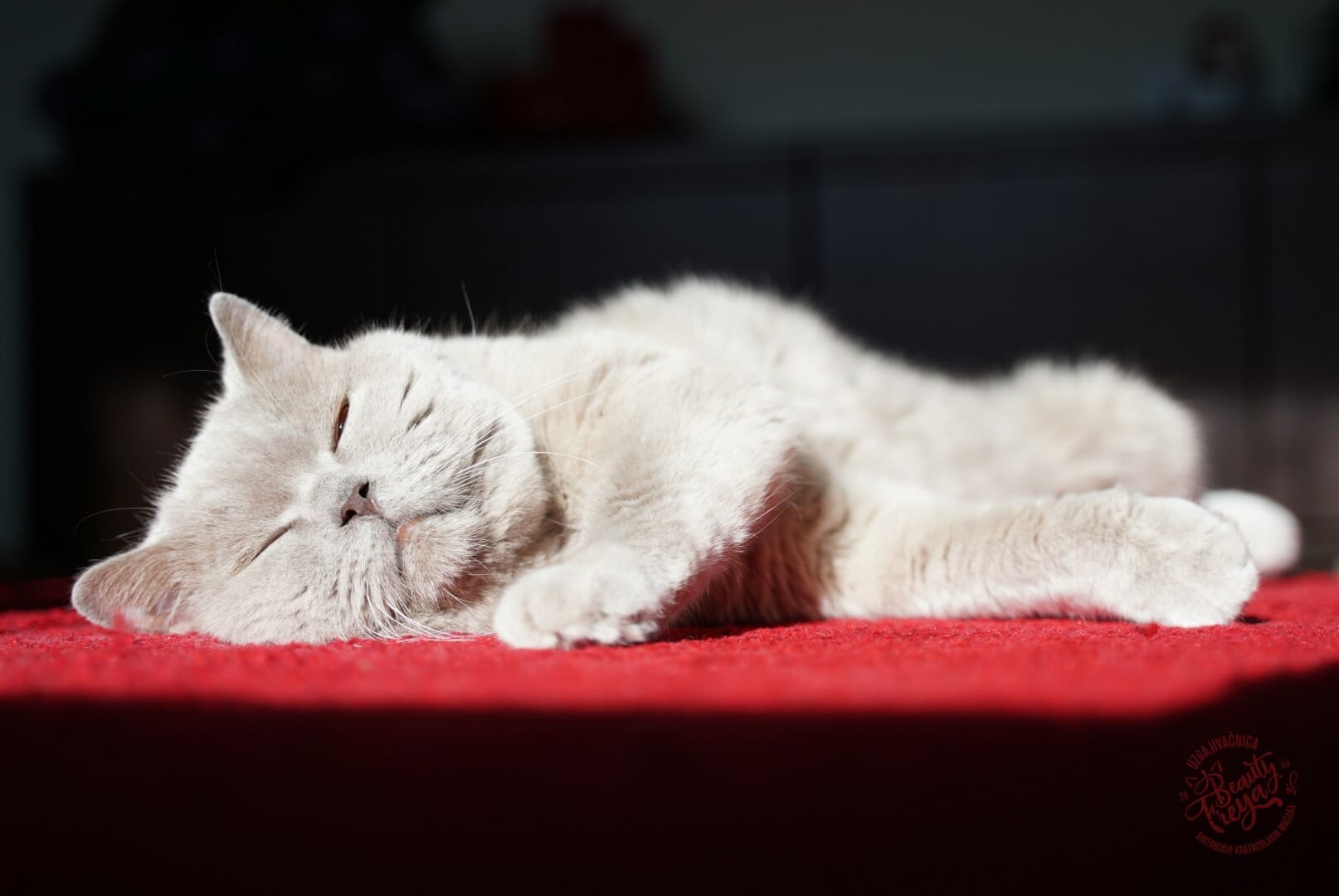
Cats purr when they are happy.